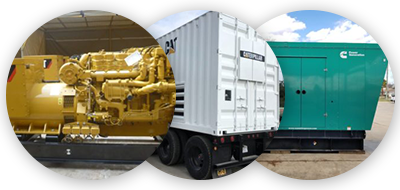
A standby generator exists for the moment normal power disappears. When that happens, the expectation is simple: the generator starts, accepts the required load and keeps critical equipment operating.
Unfortunately, generator failure does not always begin with a major mechanical breakdown. Many problems develop gradually during the long periods between outages. A battery loses cranking capacity. Diesel deteriorates in storage. Coolant slowly escapes from a hose. A control remains in the wrong position after service.
Knowing the most common causes of generator failure can make these problems easier to identify before an outage exposes them. The following nine areas deserve particular attention, along with the warning signs and preventive measures that can improve generator reliability.
This article focuses primarily on diesel standby generators. Several of the areas below, such as wet stacking and diesel fuel degradation, are specific to diesel units and may not apply to natural gas generators. Always follow the manufacturer’s recommendations and any codes that apply to your specific equipment.
Why Generators Fail When They Are Needed Most
Standby generators spend more than 99% of their lives not running. That does not mean nothing is happening to them.
Starting batteries continue to age. Stored fuel can degrade. Seals and hoses are affected by time and environmental conditions. Connections can loosen or corrode. Because the generator operates relatively infrequently, these changes can continue without the daily attention that continuously operating equipment receives.
Regular exercise helps, but a successful no-load run does not prove that the generator will perform the same way when it has to support an actual building load. Inspection, preventive maintenance and appropriate testing under load are all important parts of keeping a standby generator ready.
1. Battery & Starting System Failure
Battery problems are the most common reason a generator won’t start. The engine may be mechanically sound, but it cannot operate if the starting system cannot turn it fast enough to begin combustion.
One common problem is sulfation, which develops as batteries age and gradually reduces available cranking capacity. Loose or corroded terminals can also interfere with the high current required by the starter. The battery charger creates another potential failure point. If it fails, is disconnected or loses power because a breaker was switched off during service, the battery may not remain properly charged.
Generator battery failure can be difficult to spot because resting voltage does not tell the whole story. A battery may produce an acceptable voltage reading with no load but drop significantly when the starter demands substantial current.
Prevention: Check battery voltage and cranking capacity at the intervals prescribed by the manufacturer and any applicable codes. Inspect terminals for corrosion and make sure connections remain tight.
Verify that the charger is energized after every service visit. As general guidance, many starting batteries are replaced on a three to five year cycle, though actual service life varies with temperature, duty and battery type. Replacing on a planned schedule based on the manufacturer’s recommendations is preferable to waiting for a failed start to reveal that a battery has reached the end of its useful life.
2. Fuel Problems: Degraded Diesel & Accumulated Water & Air
A strong battery can crank an engine perfectly, but the engine still needs a reliable supply of usable fuel before it can start.
Diesel changes during extended storage. Oxidation can degrade fuel quality, while condensation introduces water into the tank. Microbial growth can develop where conditions allow it, creating contamination that may clog filters and damage components within the injection system.
Air in the fuel lines creates another problem. If fuel cannot reach the injectors consistently, the engine may crank normally without firing.
Prevention: Sample and test stored diesel at least annually. Drain water separators according to schedule and keep tanks as full as practical to reduce condensation.
Base fuel polishing on fuel-test results and evidence of contamination rather than storage time alone. When testing shows water, microbial growth or oxidation, polishing may be appropriate to help restore and maintain fuel quality.
For more information about managing stored diesel, see Depco’s guide to diesel fuel storage.
3. Coolant Leaks and Low Coolant
Cooling system problems can turn a relatively small leak into an expensive generator failure.
The generator relies on sufficient coolant to control engine temperature. When the level becomes too low, overheating can result in a protective shutdown or engine damage.
Slow leaks deserve particular attention because they may not create an obvious problem immediately.
Block heater hoses are one potential trouble spot because repeated heat cycles can deteriorate the hoses over time. Worn hoses, fittings and seals around the block heater can also contribute to coolant loss.
Look for coolant beneath the generator, a declining level in the recovery tank or dried residue around hose connections and clamps. Any of these can indicate a leak that should be addressed before the generator is required to operate for an extended period.
Prevention: Check coolant during every routine walkaround. Replace block heater hoses according to a planned schedule rather than waiting for failure and service the cooling system at the manufacturer’s recommended intervals.
4. Wet Stacking From Light Loading
Running a diesel generator regularly is important, but simply running the engine is not always enough.
When a diesel generator runs for extended periods at light load, combustion temperatures may remain too low for complete combustion. Unburned fuel and soot can then accumulate within the exhaust system, creating a condition known as wet stacking. A minimum load near 30% of rated capacity is a commonly cited guideline, but the appropriate threshold varies by engine. Follow the manufacturer’s recommendations and any applicable NFPA 110 requirements for the specific unit.
Signs can include reduced power and dark, oil-like residue around exhaust connections. Over time, deposits can foul injectors and negatively affect engine performance.
Load bank testing provides a controlled way to place significant electrical demand on the generator. Bringing the engine up to proper operating temperature helps clear accumulated deposits while also demonstrating whether the generator can deliver its rated output.
Prevention: Exercise the generator under meaningful load rather than allowing it to operate primarily at idle or very low loads.
If the building cannot load the generator to the minimum level recommended by the manufacturer during normal exercise, schedule a load bank test consistent with the manufacturer’s guidance and applicable NFPA requirements.
5. Control Settings & Human Error
Some generator problems occur even when nothing inside the generator is actually broken.
A controller may have been placed in off or manual during maintenance and never returned to automatic operation. An automatic transfer switch may remain outside auto mode after testing. An alarm may be left unacknowledged, leaving the controller in a lockout condition.
Any one of these situations can prevent an otherwise healthy generator from responding to an outage.
This is why post-service verification is more than a housekeeping step. It is part of generator reliability.
Prevention: Finish every maintenance visit and test with a formal return-to-auto inspection.
Confirm that the generator controller and automatic transfer switch are in auto, required breakers are closed, alarms have been cleared and the battery charger is energized.
6. Blocked Airflow & Exhaust Restrictions
A diesel engine requires an adequate supply of air for combustion and an unrestricted path for exhaust gases.
Dirty air filters can restrict intake airflow. Debris, nesting animals and snow can obstruct enclosure louvers or intake openings. Carbon deposits can also restrict components within the exhaust system.
As these restrictions become more severe, the generator may produce black smoke, lose power, run hotter than normal or shut down when load increases.
Prevention: Inspect and replace air filters according to the appropriate maintenance schedule, with more frequent service in dusty environments. Keep enclosure louvers clear throughout the year and make sure exhaust flappers and rain caps move freely.
7. Voltage Regulation & Excitation Faults
A generator that starts normally but does not produce usable electrical power requires a different type of generator troubleshooting.
The output breaker should be checked first. If it is properly positioned, the problem may involve the automatic voltage regulator, commonly called the AVR, or the excitation system.
Unstable voltage while the generator is carrying a load can also point toward a regulation or excitation problem. These faults may remain hidden during a no-load exercise because the generator has not been asked to perform under meaningful electrical demand.
Prevention: Record voltage and frequency while the generator is operating under load. Changes, drift or continuing instability should be investigated rather than ignored. Excitation faults should be diagnosed by a qualified technician instead of repeatedly resetting the system without identifying the underlying problem.
8. Oil & Lubrication Problems
An engine that cranks, fuels and cools correctly can still shut down if it is not properly lubricated.
A low oil level, low oil pressure or degraded oil can trigger a protective shutdown or, if a warning is missed, lead to serious engine damage. Oil breaks down over time and with hours of operation, and long intervals between runs can allow contamination or moisture to collect. Using an oil viscosity that does not suit the operating temperature can also affect cold starting and engine protection.
Watch for oil beneath the generator, a dropping level on the dipstick, a low oil pressure reading during operation or a shutdown recorded as a low oil pressure fault.
Prevention: Check the oil level during routine walkarounds and confirm oil pressure while the generator is running. Change the oil and filters at the intervals prescribed by the manufacturer, based on both elapsed time and operating hours, and address leaks promptly rather than repeatedly topping off.
9. Neglected Maintenance: The Cause Behind the Causes
Many common generator problems have one thing in common: they could have been identified or prevented through regular maintenance.
Batteries require testing and eventual replacement. Fuel needs monitoring. Coolant levels, filters, hoses and connections need inspection. Controls and alarms need to be checked. Individually, these are routine maintenance items. When they are overlooked, any one of them can become the reason a generator does not operate during an outage.
A maintenance schedule also creates a record of what has been inspected, serviced and replaced. That makes it easier to identify developing trends rather than waiting for a generator failure to reveal them.
Prevention: Follow a documented maintenance program based on the manufacturer’s recommendations, operating environment and application. Depco’s diesel generator maintenance checklist provides guidance for organizing weekly, monthly and annual maintenance activities.
Generator Won’t Start? What to Check First
When a generator is not starting, the way it responds to the start command can help narrow the problem. Before assuming a major component has failed, determine exactly what the generator is doing.
Safety note: The checks described here are limited to basic visual inspections. Any troubleshooting beyond that, including work involving fuel, electrical output, the cooling system or internal components, should be performed by a qualified technician following the manufacturer’s safety procedures.
No Crank
If nothing happens when the generator receives a start command, begin with the battery and starting system. Check battery condition, terminal connections and the charger. Then confirm the position of the control switch and look for active alarms or a controller lockout.
Cranks but Won’t Fire
If the starter turns the engine but it does not fire, focus on fuel. Check the tank level, water separator, fuel filters and the possibility of air in the lines.
During cold weather, also verify that the block heater is working properly.
When a diesel generator won’t start after sitting for an extended period, the combination of an aging battery and deteriorating fuel makes these two systems especially important to inspect.
Starts, Then Shuts Down
If the engine starts and quickly stops, read the controller’s fault information before resetting it.
Low oil pressure, high coolant temperature, overspeed and underspeed conditions can all trigger protective shutdowns. The recorded fault can point directly toward the system that needs attention.
Runs but Produces No Power
If the engine reaches operating speed but electrical power is unavailable, check the output breaker. If the breaker is properly positioned, the AVR or excitation system may require diagnosis.
Modern generator controllers record valuable information about faults and shutdowns. Reading and documenting those codes before resetting the controller preserves evidence that can make diesel generator troubleshooting more efficient.
When Failure Means Replacement
Not every generator failure justifies replacing the equipment. Many problems can be corrected through routine service or component replacement.
The decision changes when problems become chronic. Repeated excitation faults, persistent wet stacking or an engine approaching overhaul hours may indicate that continued repairs are becoming less practical than replacement.
At that point, consider more than the immediate repair bill. Generator age, operating hours, maintenance history, overall condition and the operational consequences of another failure can all influence the decision.
A Reliable Long-Term Power Partner
Depco Power Systems tests and certifies generator sets at its Houston facility, with every unit sold carrying a documented load test identified by serial number.
For more than 30 years, Depco has helped customers find dependable power solutions for their operations. That experience, combined with a commitment to thorough testing and knowledgeable service, makes Depco a resource customers can rely on for both their immediate and long-term power needs.
Whether you are replacing a generator that has become unreliable, planning for future power needs or looking for a trusted resource for industrial power equipment, we are ready to help.
Browse our industrial diesel generator sets or contact Depco Power Systems to find the right solution today and a reliable power partner for the long term.
Frequently Asked Questions
What is the most common cause of generator failure?
Battery and starting system problems are the leading cause of failed generator starts. Sulfation can reduce cranking capacity as batteries age, while corrosion, loose connections and a failed or de-energized charger can prevent the starting system from receiving sufficient power.
Testing at the manufacturer’s recommended intervals and planned replacement, often on a three to five year cycle, can help prevent an unexpected failure.
Why won’t my generator start after sitting for months?
Long periods of inactivity can affect both the battery and fuel system. The battery may discharge or lose cranking capacity, while stored diesel can degrade, accumulate water or develop other contamination.
If the generator does not crank, check the battery, terminals and charger first. If it cranks but does not start, inspect the fuel level, water separator and filters. Exercising the generator regularly under load can help reveal problems before an outage.
Why does my generator run but produce no power?
A generator that reaches normal operating speed without producing usable power may have an open or tripped output breaker, a failed AVR or a problem with the excitation system.
Check the output breaker first. If it is properly positioned, the voltage regulation and excitation systems should be professionally diagnosed.
What is wet stacking and why does it matter?
Wet stacking is an accumulation of unburned fuel and soot caused by operating a diesel engine at loads too low to maintain proper combustion temperatures.
The buildup can foul injectors, reduce available power and shorten engine life. Operating the generator at or above the minimum load specified by the manufacturer, or using a load bank test when facility demand cannot provide sufficient load, can help prevent the condition. Manufacturer recommendations and applicable NFPA requirements define the appropriate load and interval for a given unit.
Can bad fuel cause a generator to fail?
Yes. Diesel stored for extended periods can oxidize, accumulate water and develop microbial contamination. These conditions can clog filters, restrict fuel delivery and damage components in the injection system.
Diesel stored for extended periods deserves particular attention. Regular fuel sampling and draining of water separators help identify contamination, and fuel-test results should guide whether treatment such as polishing is needed.
How long do generator batteries last?
As general guidance, plan on approximately three to five years for a starting battery used in standby service, with battery life potentially shorter in extreme temperatures and dependent on the manufacturer’s specifications.
Because a deteriorating battery can still display normal resting voltage, load testing at the manufacturer’s recommended intervals provides a better indication of whether it can deliver the current required to start the engine.
How often should a standby generator be exercised?
Exercise frequency depends on the manufacturer, application and requirements that apply to the facility. Weekly or monthly exercise schedules are common in manufacturer recommendations and NFPA 110-based programs.
Load is also important. Exercising a generator under real load tests systems that a simple idle or no-load run does not. Follow the manufacturer’s recommended schedule and applicable codes for the generator’s specific duty and application.