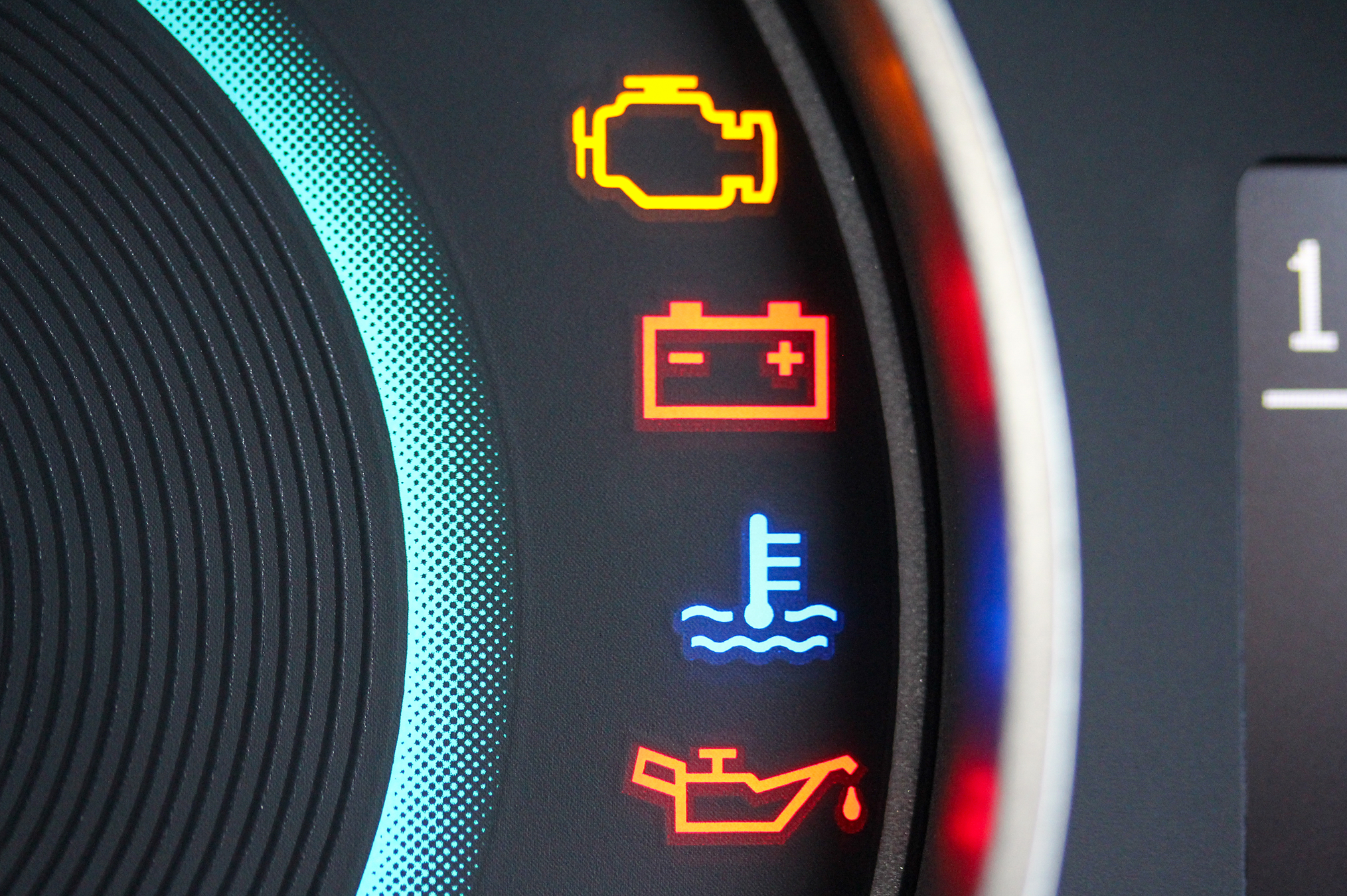
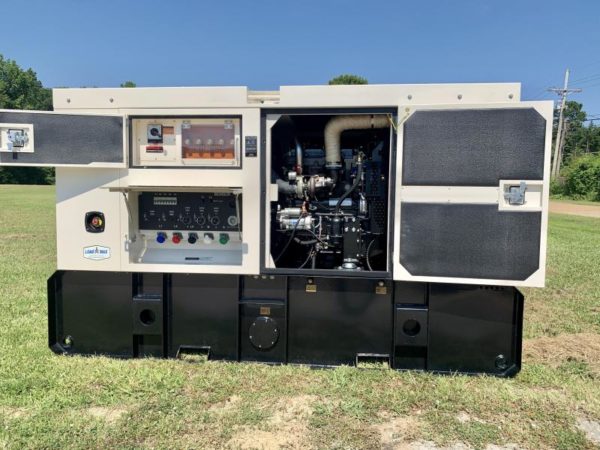
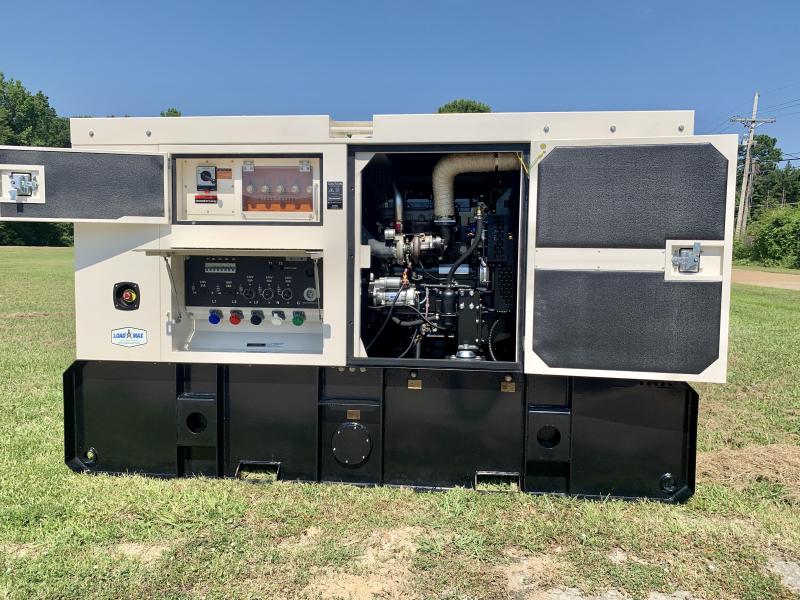
A standby generator exists for the moment normal power disappears. When that happens, the expectation is simple: the generator starts, accepts the required load and keeps critical equipment operating. Unfortunately, generator failure does not always begin with a major mechanical breakdown. Many problems develop gradually during the long periods between outages. A battery loses cranking […]
How to Size a Generator for Variable Power Factor Loads
Sizing a generator by adding up nameplate wattage works only when every load behaves the same way. Real facilities do not work like that. Motors draw far more current at startup than at full speed, VFDs and UPS systems reshape the current waveform, and lightly loaded equipment drags power factor down when demand drops. The […]
Diesel Generator Maintenance Checklist for Long-Term Reliability
A diesel generator only protects your facility if it starts when the utility drops. Most failures during a real outage trace back to skipped routine service: a flat starting battery, a clogged fuel filter, contaminated fuel, or coolant that was never topped off. This checklist organizes diesel generator maintenance into clear intervals (daily, weekly, monthly, […]
Best Practices for Testing and Commissioning Industrial Generator Systems
A newly installed or freshly overhauled industrial generator is not a reliable asset the moment it lands on your pad. It becomes one only after a disciplined program of testing and commissioning proves, on paper and under load, that the engine, alternator, fuel system, controls, transfer switches, and protection settings all behave exactly as specified […]
Automatic Transfer Switch (ATS) vs. Switchgear: Key Differences, Types and How to Choose
In modern facilities, outages can halt operations, damage sensitive equipment and put lives at risk. That’s why robust standby power systems are a must. Two components often mentioned in the same breath are the automatic transfer switch (ATS) and switchgear. They work together to ensure power from the utility or a generator reaches your equipment […]
What Is a Generator Transfer Switch and Why Do You Need One?
In this article, we’ll explain how transfer switches work, why electrical codes require them, the main differences between manual and automatic models, and how to select the right switch for an industrial standby generator. Key Takeaways What Is a Generator Transfer Switch? A generator transfer switch is a permanently installed electrical switching device that connects […]
What Are Engine Block Heaters and 6 Tips for Maintaining Them
Key Takeaways What Is an Engine Block Heater? An engine block heater is an electric heating element designed to warm up an engine’s coolant and internal components before starting up. In cold temperatures, engine oil thickens, and coolants can become sluggish, making it difficult for a generator’s engine to crank and run smoothly. For diesel […]
3-Phase Diesel Generator Buying Guide
Reliable backup power is crucial to any facility. From data centers and hospitals to factories and office towers, the cost of downtime is measured in lost revenue and customer trust. That’s why three‑phase diesel generators are standard in commercial and industrial settings. They provide the robust, balanced power needed to keep heavy machinery, HVAC equipment […]
Backup Power Solutions for Hyperscale Data Centers
Hyperscale Data Centers: Powering the Digital Economy Hyperscale data centers are the workhorses of today’s digital economy. These massive facilities, often consuming more than 100 megawatts of electricity per hour, house the servers and networking equipment that enable artificial intelligence (AI), the Internet of Things (IoT), social media platforms, and cloud services. Capacity is expected […]
Section 179 Deduction for Generators & Equipment
How Section 179 Deduction Works for Generators and Equipment in 2025 The Section 179 deduction offers a powerful tax-saving tool for businesses investing in capital equipment, especially in 2025, as the IRS has increased the allowable limits. For buyers of generators and related machinery, this deduction allows companies to write off the full purchase cost […]
Understanding Generator Voltage Differences
Industries rely on various power systems, making it vital to understand generator voltage levels for compliance and efficiency Generators are categorized into high, medium, and low voltage, each suited for specific applications—from powering large machinery to serving as backup for smaller businesses. Choosing the right voltage is essential for meeting standards and optimizing performance. Different […]
How Does a Generator Produce Electricity?
Diagram: How a generator converts mechanical energy into electrical power through electromagnetic induction. Generator Electricity Production System Complete Energy Flow: Mechanical Energy → Electrical Power Mechanical Components Energy Flow Electrical Output ⛽ Fuel System Diesel, Natural Gas, Propane, or Gasoline Fuel Input ⚙️ Engine Combustion creates mechanical rotation Mechanical Energy 🔄 Rotor Rotating magnetic field […]
- 1
- 2
- 3
- …
- 6
- Next Page »