Understanding terms like genset, generator end and generator can be confusing because people often use them interchangeably. A genset (or gen set) is the complete assembly that produces electricity, including the engine, alternator, fuel system, control panel and skid. Whereas a generator end (alternator) is just the electrical machine that converts mechanical energy into electricity via electromagnetic induction.
Infographic: Diagram comparing a generator end (alternator) and a full genset.
What Does Genset Mean?
Genset is short for generator set, which is a self-contained unit that combines an engine, an alternator (generator end), a fuel system, a control panel and a skid to produce electrical power independently. The term “genset” is used across industries including oil and gas, construction, data centers and healthcare to describe any packaged power generation system. You may also see it written as gen set, gen-set or generating set, but all refer to the same equipment.
What Is a Genset (Generator Set)?
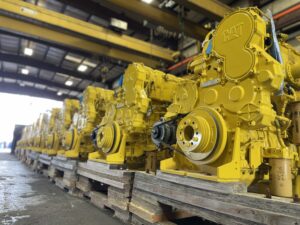
A generator set, or genset for short, consists of an engine, a generator end, a control panel and a skid working together to generate electricity. The engine and generator end are the main components of the genset’s power generation, producing mechanical energy that then gets converted into electrical power.
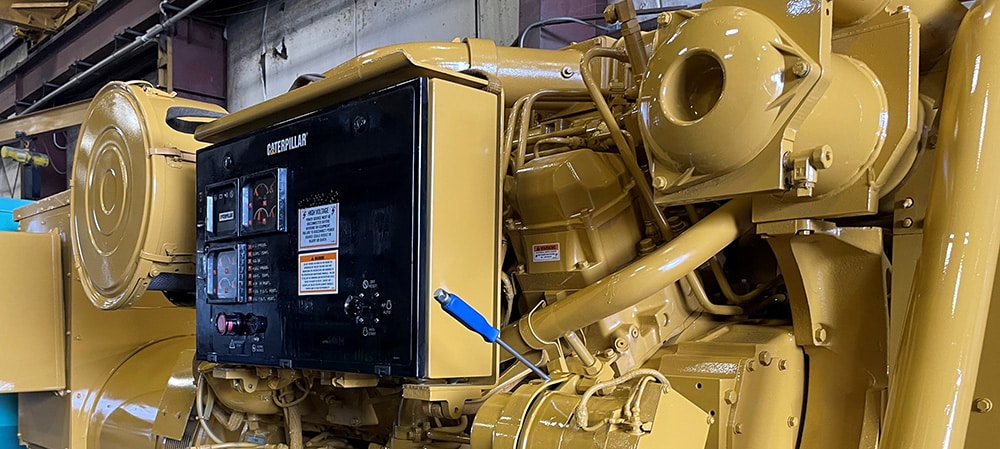
The control panel is an interface that allows users to operate the generator, typically through switches or buttons. It displays details such as current, voltage and frequency for the monitoring of the genset’s condition and operation. The control panel may look like a built-in display, a gauge or a meter.
A skid is the frame or base that the generator set sits upon. It serves as a sturdy foundation for the generator set, and allows for other equipment such as fuel systems, control panels and batteries to be mounted to the frame. Skids help protect the generator from potential damage by raising it off the ground and can also be useful for transporting the genset via forklifts or cranes.
Generator sets are called “sets” because they are intended to include everything needed to produce electrical power in one package. Because gensets include engines, they require a fuel source. The main two options are diesel and natural gas, which each have their own pros and cons.
Other considerations for purchasing gensets include voltage, power rating, fuel tank size, maintenance and weatherproofing.
Generator End (Alternator): How It Works
A generator end, also known as an alternator, is the electrical machine in a genset that converts mechanical energy into electrical energy. It consists of a stator with stationary windings and a rotating rotor that produces a changing magnetic field. When the rotor spins inside the stator, electromagnetic induction generates a current. A voltage regulator keeps the output stable, and bearings support the rotating parts. Generator ends are rated by power output (kilowatts or kilovolt‑amperes), voltage and frequency. They may have a single bearing (direct‑coupled to the engine), double bearings for better load balance, or a belt‑driven design that allows more flexible positioning.
Because they have no engine or fuel system, generator ends require an external prime mover such as a diesel engine, gasoline engine, turbine or hydraulic motor. People sometimes refer to generator ends as “short for generator” or “electric generator sets,” but technically a generator end is only one component of a genset.
Generator Set (Genset): Components & Types
A generator set (genset) combines a prime mover (engine) with a generator end plus all the systems needed to produce electricity autonomously. Typical components include:
- Engine: the internal‑combustion prime mover (diesel, gas, gasoline or hybrid). It supplies mechanical energy.
- Generator end (alternator): converts mechanical power into electrical power via electromagnetic induction.
- Fuel system: tank, pumps and lines that deliver fuel to the engine.
- Control panel: displays voltage, current and frequency; provides start/stop and safety functions.
- Skid or frame: structural base that supports the engine and alternator and allows mounting of batteries, fuel tanks and other accessories.
- Cooling, lubrication, exhaust and battery systems: auxiliary subsystems to manage heat, reduce friction, remove exhaust gases, and start the engine.
Manufacturers classify gensets by fuel, application and size. Common categories include:
- By fuel: diesel gensets offer long life and fuel efficiency; gas (natural gas or propane) gensets produce cleaner emissions but may deliver lower power output; gasoline (petrol) gensets are lightweight but less durable; and hybrid gensets combine renewable sources with a conventional engine.
- By application: standby or emergency gensets for backup power; prime power units for regular use; continuous‑duty units for off‑grid or industrial sites; marine, portable and transportable gensets for specific use cases.
- By size: small sets for homes and small businesses (under 10 kVA), medium units for commercial and industrial facilities, and large sets (hundreds of kVA to several megawatts) for data centers, hospitals or remote mines.
Fuel Options: Pros & Cons
- Gasoline: Cheap and portable; high flammability and short fuel shelf life (approximately 12 months).
- Diesel: Powerful, fuel‑efficient and less flammable; heavier and noisier.
- Propane: Burns cleanly and has a long shelf life; high installation cost and higher fuel consumption.
- Natural gas: Cheap and readily available; not portable and requires a piped supply or heavy tanks.
- Biodiesel: Combines diesel with biological sources to reduce emissions and fossil‑fuel footprint; still relies on diesel infrastructure.
Generator Types
- Portable generators: Compact units with combustion engines that provide temporary power for camping, events and small tools; plug into appliances or panels.
- Inverter generators: Use advanced magnets and electronics to produce clean, stable power; lightweight and energy‑efficient, adjusting engine speed to match load.
What Is the Difference Between a Genset and a Generator?
The key difference is scope. A generator end (alternator) is the electrical component that produces electricity when driven by an engine; it cannot generate power on its own. A generator set (genset) is a complete package with engine, alternator and all supporting systems, ready to produce electricity independently. In other words:
- Choose a generator end when you already have a prime mover and only need to replace or customize the alternator.
- Choose a genset when you need a fully integrated power system for backup, prime or continuous duty.
- A generator end must be matched to the engine’s speed, output and application; a genset is selected based on the required electrical output, fuel preference, duty cycle and site conditions.
Table: Quick Comparison Generator vs Genset
| Category | Portable Generator / Generator End | Genset (Generator Set) |
| Definition | Alternator requiring an external engine | Complete unit with engine, alternator, fuel & controls |
| Portability & Size | Compact and easy to move | Larger, often stationary or trailer‑mounted |
| Typical Applications | Camping, events, small tools | Industrial backup & prime power (hospitals, data centers) |
| Power Range | Few kW to tens of kW | Tens of kW to several MW |
| Advantages | Low cost, easy to transport | High capacity, reliable, integrated controls |
| Disadvantages | Limited output & duty cycle | Less portable, higher cost |
Choosing the Right Genset or Generator End
When selecting power equipment, consider the following:
- Power requirements: calculate your load (kW/kVA), peak demand, voltage and frequency. Oversizing wastes fuel; Undersizing leads to overload.
- Duty cycle: decide whether the unit will provide standby, prime or continuous power. Continuous and prime‑power gensets require heavy‑duty engines and larger fuel tanks.
- Fuel & efficiency: compare diesel, natural gas, gasoline or hybrid options for availability, cost, emissions and noise.
- Environment & installation: indoor vs outdoor, weatherproof enclosures, noise regulations and ventilation.
- Maintenance & support: choose brands with strong service networks and readily available parts. Consider remote monitoring and automatic transfer switches.
- Budget & resale value: factor in purchase price, operating costs and the equipment’s expected resale value.
How Caterpillar Generators Compare to Other Brands
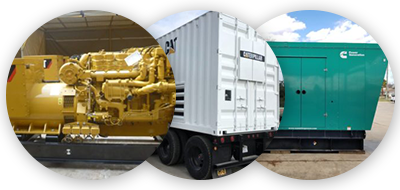
Caterpillar (CAT) is widely regarded as a premium brand in the generator industry. CAT designs and manufactures both the engines and generator ends inhouse, so components are matched for reliability and longevity. Its ACERT technology reduces emissions without sacrificing fuel efficiency, and modular designs simplify service. Because of this vertical integration, a CAT generator often costs 15–25 % more than comparable models but retains 40–50 % of its value after ten years, which is higher than other brands that retain only 30–40 %. CAT generators excel in continuous‑duty and harsh‑environment applications.
Other major brands include Cummins, Kohler, Generac and Mitsubishi. Cummins is known for reliability and an extensive service network. When comparing brands, consider not just price but also fuel efficiency, emissions compliance, service availability, and long‑term value.
Frequently Asked Questions
What is a genset used for?
Gensets are used to generate electricity independently of the utility grid. Common applications include standby and emergency power for hospitals, data centers and commercial buildings; prime power for remote job sites, oil fields and mining operations; and portable power for construction equipment and events. Gensets range from small portable units under 10 kVA to large industrial sets producing several megawatts.
Is a genset the same as a generator?
Not exactly. In everyday language, people often use generator and genset interchangeably, but technically a genset (generator set) is the complete package (engine, alternator, fuel system, control panel and skid) while the term “generator” can refer to the alternator (generator end) alone or the full assembly.
What does genset mean in industrial settings?
In industrial settings, a genset refers to a diesel or natural gas generator set used for continuous, prime or standby power. Industrial gensets typically produce 100 kW to several megawatts and are built for heavy-duty, long-hour operation. They include robust engines from manufacturers such as Caterpillar, Cummins and Doosan, matched to purpose-built alternators and automatic control systems.
Power Your World with Confidence
Understanding the distinction between generator ends and gensets helps you choose the right equipment for your needs. A genset delivers a complete, self‑contained power solution, while a generator end is the alternator component of that system. By considering your power demand, duty cycle, fuel preference and budget, you can identify the most suitable option.
Depco Power Systems offers a wide selection of new and used gensets and generator ends, along with expert guidance. Browse our in‑stock generator sets and generator ends, or contact our team for help selecting a system. For more details on buying used generators, download our Ultimate Guide to Used Generators.