When it comes to purchasing industrial engines, estimating your budget can be a complex task. The cost of an industrial engine varies widely based on factors such as type, power output, application, manufacturer, and additional features.
In this article, we provide an overview of what you can expect to pay for different types of industrial engines to help you plan for your next purchase. If you need a complete guide to buying industrial engines, check out our Ultimate Buyer’s Guide.
Factors Affecting Industrial Engine Cost
Before we delve into pricing, it’s important to understand the factors that affect industrial engine costs:
- Type of engine: Diesel, natural gas, and gasoline engines typically have different price points.
- Power output: Measured in horsepower (HP) or kilowatts (KW), engines with higher output typically cost more.
- Application: Whether for marine, agriculture, construction, or another specific use case, specialized requirements can influence cost.
- New or used: Brand new engines are more expensive than used or refurbished ones.
- Manufacturer: Engines from premium brands with a reputation for reliability and performance often come with a bigger price tag.
- Additional features: Engines with advanced emissions controls, fuel efficiency features, or digital control panels can be pricier.
Industrial Engine Price Ranges
Please note: The prices mentioned in this article are approximate and can vary significantly based on the factors previously mentioned. They shouldn’t be taken as exact or guaranteed prices by any particular manufacturer or seller, including Depco.
Diesel Engines
Diesel engines are known for their durability and efficiency and are commonly used in heavy-duty applications.
- Small diesel engines (10-50 HP): These engines are seen in small machinery and can range from $5,000 to $15,000.
- Mid-range diesel engines (50-250 HP): Often found in mid-sized equipment, expect to pay anywhere from $15,000 to $40,000.
- Large diesel engines (250 HP and higher): Used in significant industrial applications, large diesel engines can run between $40,000 to over $100,000.
Natural Gas Engines
Natural gas engines are favored for their cleaner emissions and are used in various stationary applications.
- Small to mid-range natural gas engines (50-150 HP): Prices range from $20,000 to $50,000.
- Large natural gas engines (150 HP and higher): Such engines are used in industrial and power generation settings and can cost between $50,000 to over $150,000.
Buying an Industrial Engine: Best practices
It’s essential to note that prices vary based on region and specific configuration options. To provide the most accurate pricing for industrial engines, it’s best to consult with a power system expert. Trusted sellers like Depco usually offer detailed specifications and a way to request a quote.
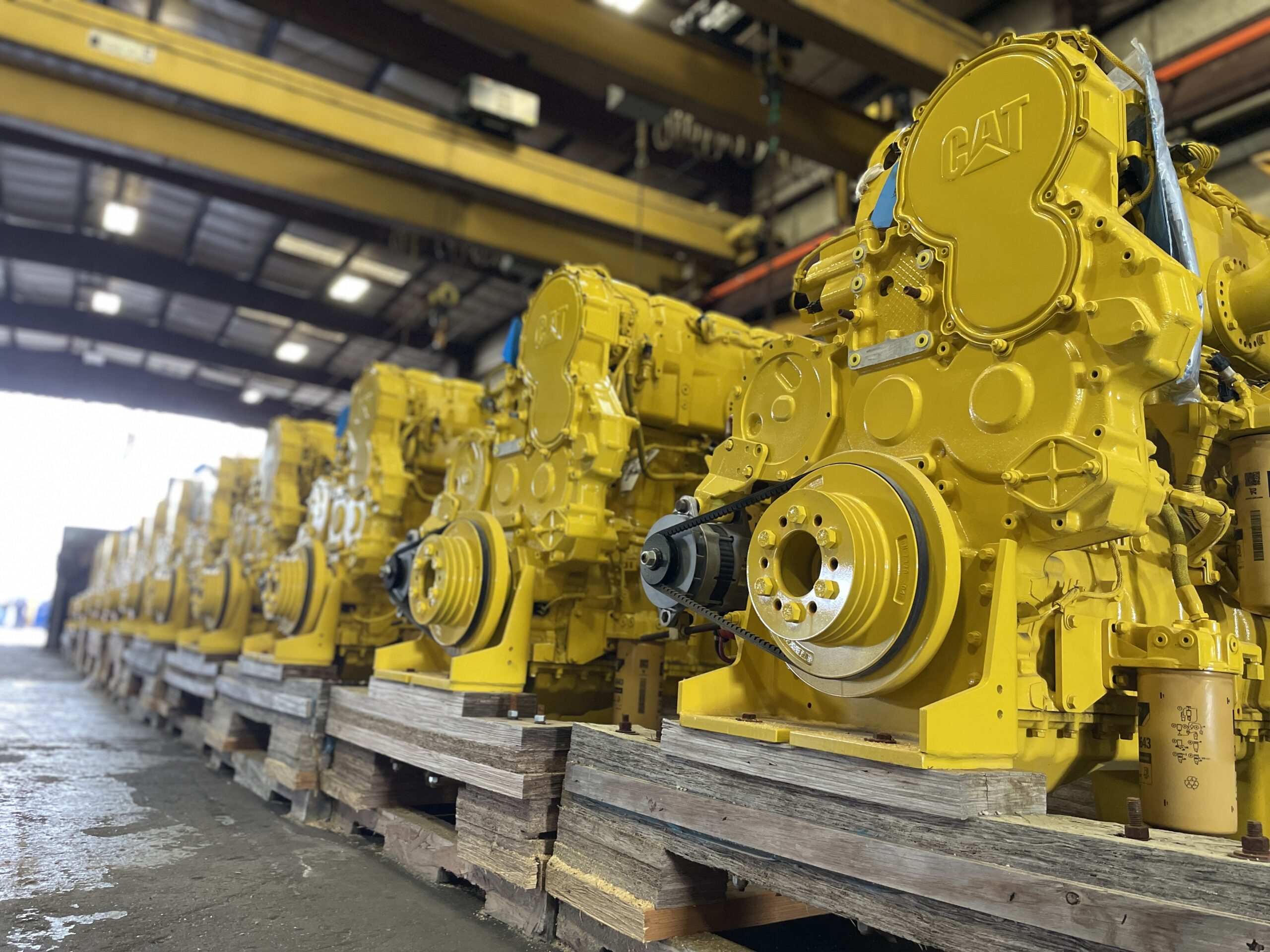
Pre-owned engines can offer considerable savings, sometimes as much as 50% of the cost of a new engine. But beyond the price difference, used engines from a trusted seller also have the benefit of a full inspection and repair. Expert technicians at Depco Power Systems inspect and service the engine to meet manufacturers specifications, and ensure that only reliable units are put on the market.
When purchasing an industrial engine, it’s crucial to assess not only the purchase price but also the long-term operating costs. Engines with higher fuel efficiency or lower maintenance requirements might be worth the increased upfront investment. Inquire about the amount of usage on the used engine to get an idea of its future lifespan.
Power with Confidence
A clear understanding of the factors that influence the cost of an industrial engine is crucial for making an informed purchase. Remember to not only consider the initial price but also to factor in the operation, maintenance, and potential resale value.
For personalized advice and specific pricing, please feel free to reach out to the experts at Depco. Our team can guide you through the available options and help you find an industrial engine that meets both your requirements and your budget.